
Personalized Deep Brain Stimulation Offers New Hope for Drug-Resistant Epilepsy Patients

A new personalized approach to deep brain stimulation is giving people with drug-resistant epilepsy a clearer path forward. Researchers at Mayo Clinic have developed a method that maps each patient’s unique brain wave patterns and identifies the exact spot where stimulation can calm the seizure network. Instead of relying on the traditional, uniform placement of electrodes, this approach tailors therapy to each person’s neurological fingerprint, offering a more precise and potentially more effective intervention.
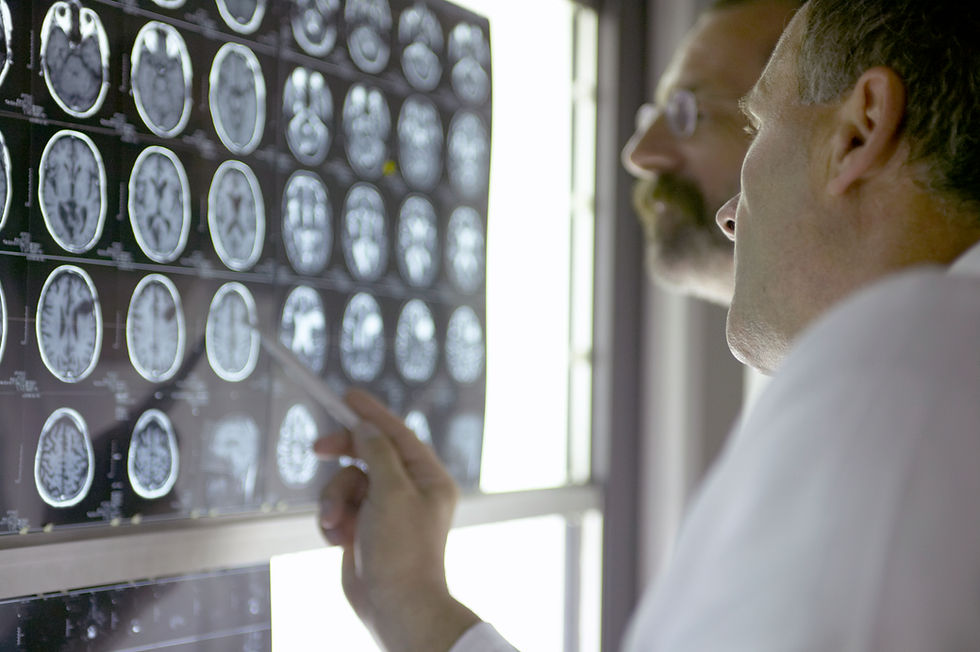
Deep brain stimulation works by implanting electrodes that send small pulses of electricity to areas of the brain involved in seizure activity. What makes this new technique stand out is its focus on the thalamus, a small relay center deep within the brain that connects to the individual’s seizure network. By studying erratic wave patterns that signal abnormal activity, clinicians can fine-tune stimulation settings to interrupt the rhythm that leads to seizures. Early patients who received this personalized evaluation during their surgical workup are now being followed long-term to see how permanent implants perform.
The research team believes this could be a major step forward in not only controlling seizures, but in reshaping the brain’s network over time. Their hope is that by reducing the brain’s hypersynchrony and excitability, the seizure network can gradually “quiet,” possibly shifting treatment from symptom control toward lasting recovery. It’s an encouraging direction for the many people living with epilepsy who have not found relief through medication alone.
If news and events like this are important to you, we would encourage you to subscribe to our mailing list. You'll get additional research summaries, easy-to-understand explanations, and advice for those interested in the future of DBS and neurological care. Click Here to Subscribe!

Comments